
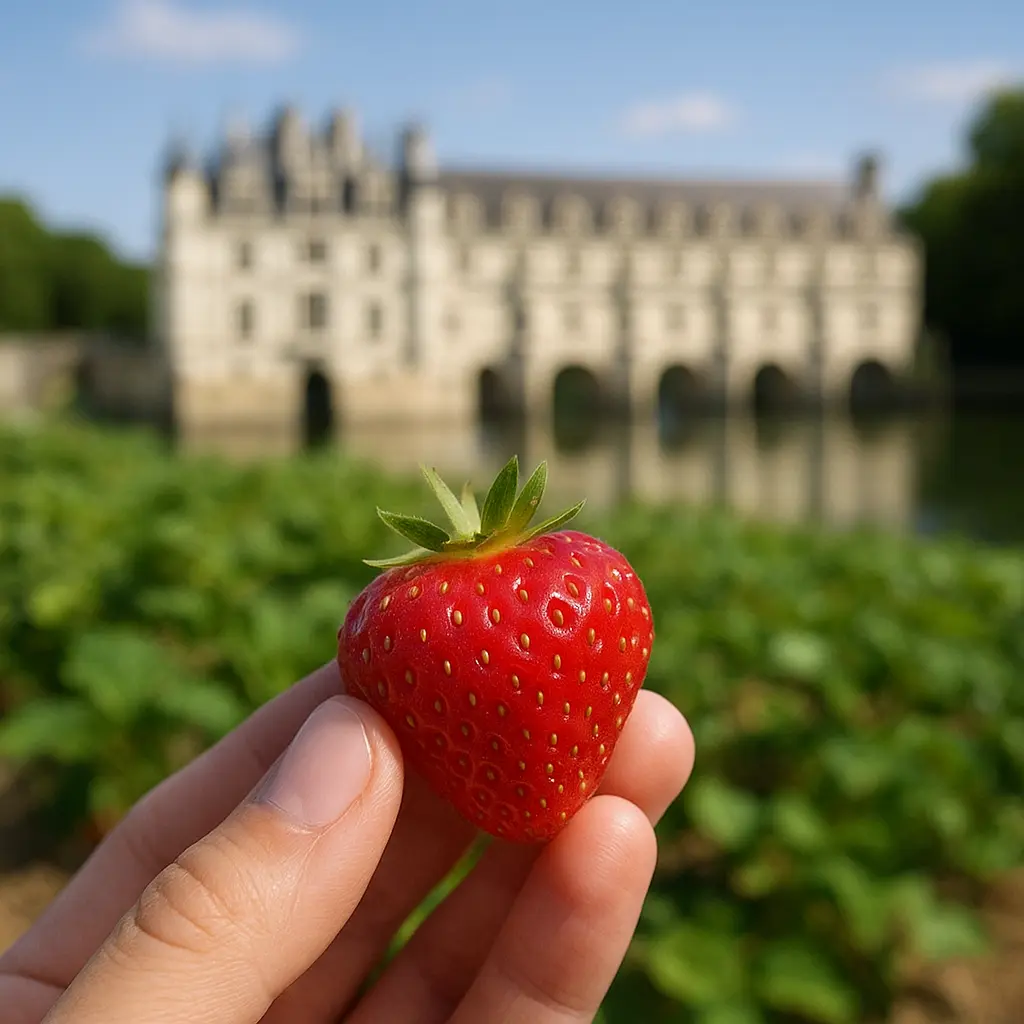
Two days are enough to experience one of the finest highlights of the Loire Valley, provided you choose the right pace. To visit Chenonceau and Amboise without turning your stay into a race against the clock, the best approach is to devote one day to each area. Located only a few kilometres apart, these two destinations reveal complementary sides of the Renaissance: in Chenonceau, the elegance of a château spanning the River Cher and shaped by remarkable women; in Amboise, royal power, Leonardo da Vinci and sweeping views over the Loire. From Bléré, this getaway is particularly well suited to a two-night stay, with short drives and enough time to enjoy the landscapes, fine food and wines of Touraine.
Why visit Chenonceau and Amboise on the same trip?
Choosing to visit Chenonceau and Amboise allows you to discover two major monuments without spending hours on the road. Chenonceau stands out for its architecture built across the River Cher, its historic gardens and its story closely linked to Diane de Poitiers and Catherine de’ Medici. The official château website also notes that the estate welcomes visitors all year round and includes the Grand Gallery, historic apartments, the gardens of Diane and Catherine, the maze and the flower garden.
Amboise offers a different experience. Its Royal Château overlooks the Loire and immerses visitors in the history of the kings of France, while Clos Lucé offers the chance to explore Leonardo da Vinci’s final home. Its 7-hectare park brings inventions inspired by his work to life. This contrast means you never feel as though you are visiting two similar monuments: one day focuses on the “Ladies’ Château”, while the other explores royal Renaissance history and Leonardo’s genius.
This choice also makes sense on a regional scale. The Loire Valley UNESCO World Heritage Site stretches for around 280 kilometres between Sully-sur-Loire and Chalonnes. Trying to cover too much of it in two days would mean spending a significant amount of time in the car. Focusing your itinerary around Chenonceaux, Bléré and Amboise instead allows you to slow down and better understand the cultural landscape recognised by UNESCO.
Day 1: Chenonceau, its gardens and the Cher Valley
To visit Chenonceau and Amboise in the best conditions, begin your first day at Chenonceau as soon as it opens. This strategy is especially useful during high season, when visitor numbers tend to increase as the morning progresses. In 2026, opening times vary depending on the season, with daily opening and longer hours in summer. It is still advisable to check the official timetable and book your ticket before travelling.
Allow several hours to explore the château without rushing. The Grand Gallery crossing the Cher is naturally one of the main highlights, but it would be a shame to miss the kitchens housed in the former mill foundations, Catherine de’ Medici’s Green Study, the historic bedrooms and the floral arrangements that are part of Chenonceau’s identity. Outside, the gardens of Diane de Poitiers and Catherine de’ Medici extend the visit and offer entirely different perspectives of the château.
After your visit, dedicate the early afternoon to a leisurely lunch or a walk through the Cher Valley. Bléré is a particularly convenient base for anyone wanting to visit Chenonceau and Amboise without changing accommodation. The town lies at the heart of this tourist triangle and offers a welcome return to a calmer atmosphere after the crowds at the major monuments.
The end of the day can be devoted to discovering a Touraine wine estate or taking a walk along the Cher. Local appellations such as Touraine-Amboise, or Montlouis-sur-Loire a little farther north, offer another way to experience the region’s heritage. The goal is not to add yet another visit, but to vary the pace: architecture in the morning, landscapes and local flavours in the afternoon.
Day 2: Amboise, between royal history and Leonardo da Vinci
On the second day, head to Amboise early. To visit Chenonceau and Amboise in just forty-eight hours, the Royal Château of Amboise is best explored at the start of the day. Its commanding location provides remarkable views over the Loire and the rooftops of the town. The history of the site is closely associated with Charles VIII and the arrival of the Italian Renaissance in France.
After the château, make your way to Clos Lucé, easily accessible from the historic centre. Leonardo da Vinci spent the final years of his life there. Today, the château, recreated workshops and surrounding park offer an engaging insight into his work. The full-scale machines displayed in the gardens make the visit especially appealing to families, but also to adults interested in the history of science, engineering and art.
Then allow time for lunch in central Amboise rather than immediately moving on to a third monument. This is one of the classic mistakes people make when they want to visit Chenonceau and Amboise: trying to fill every hour. A walk through the old streets, a coffee on a terrace or a stroll along the Loire gives the trip some essential breathing space. If you still have energy, the Domaine Royal de Château Gaillard can be an additional option, but it is better viewed as a bonus rather than a must.
How to organise your journeys and avoid wasting time
A car remains the most flexible option for visiting Chenonceau and Amboise, especially if you want to stay in a guesthouse, discover a wine estate or dine outside the main tourist centres. Cyclists can also travel between the two areas using local routes: the Amboise tourist office indicates that a cycling loop links Amboise and Chenonceaux over roughly 20 kilometres in its direct version.
The key is to avoid unnecessary backtracking. Staying in Bléré allows you to reach both Chenonceaux and Amboise easily while enjoying a more peaceful environment. Visitors arriving from Paris or Tours should also check rail options and local connections in advance, as these may influence the order of the visits.
The season also matters. In spring, the gardens are particularly attractive; in summer, longer opening hours are convenient but visitor numbers are higher; in autumn, the light and colours of the valley create a softer atmosphere. Visiting Chenonceau and Amboise outside peak periods often makes it easier to enjoy the interiors and viewpoints.
Where to stay to truly enjoy these two days
The location of your accommodation can make a real difference. Staying between Chenonceaux and Amboise avoids spending a large part of your trip travelling. In Bléré, Maison Léonard offers exactly this central position, in a carefully renovated 1907 manor house. After a day visiting castles, returning to a garden, a comfortable room and a peaceful atmosphere extends the heritage experience in a more intimate way.
To visit Chenonceau and Amboise, two nights in the area make for a particularly enjoyable format: arrive the evening before, spend the first full day in Chenonceau, the second in Amboise, then leave the following morning. This pace also gives you the opportunity to enjoy a table d’hôtes dinner and ask for local advice on wine estates, walks and nearby restaurants.
A simple recap for a successful weekend
The best balance is to devote the first day to the Château de Chenonceau, its gardens and the Cher Valley, then the second to the Royal Château of Amboise, Clos Lucé and the historic centre. This itinerary allows you to visit Chenonceau and Amboise without overloading the schedule, while still leaving room for the living heritage of Touraine: gastronomy, vineyards, landscapes and the French art of living.
Want to turn this itinerary into a genuine escape in Touraine? Book your stay at Maison Léonard in Bléré and enjoy a charming address ideally located between Chenonceau and Amboise. That way, you can spend your time exploring and enjoying the region rather than making long journeys.
FAQ
How much time do you need to visit Chenonceau and Amboise?
Two days is a good amount of time to discover the main sights without rushing. One day can be devoted to Chenonceau and its gardens, followed by a second day at the Royal Château of Amboise and Clos Lucé. Staying for two nights makes the trip even more comfortable.
Can you visit Chenonceau and Amboise without a car?
Yes, but the trip requires a little more planning. Rail connections and cycling routes are available in the area. However, a car remains the most flexible option if you want to reach accommodation, wine estates or several nearby villages easily.
Where should you stay to visit Chenonceau and Amboise easily?
Bléré is an excellent base because the town is very close to Chenonceaux and only a short distance from Amboise. Staying in this area helps reduce travel time and makes it easier to enjoy each day at a relaxed pace.