
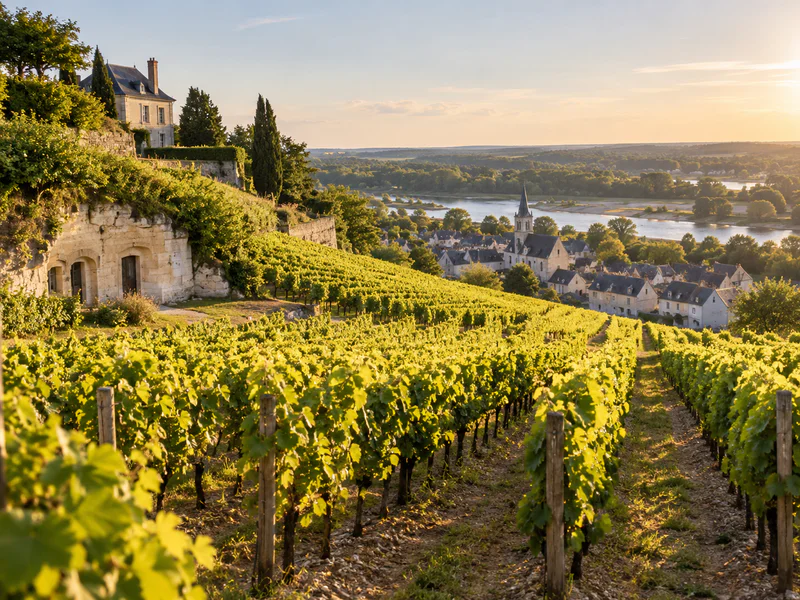
Wine Tourism in Touraine: Wine and the Art of Living
A wine tourism stay in Touraine offers a different way to discover the Loire Valley: not only through its famous châteaux, but also by following vineyard-covered hillsides, exploring cellars carved into the local tuffeau limestone and meeting the winemakers themselves. Around Bléré, Chenonceau, Amboise, Montlouis-sur-Loire and Vouvray, wine becomes the common thread running through the entire journey. From a lively, mineral Chenin Blanc to an elegant sparkling wine, from a family-run estate to a dinner where local produce complements the wines, every experience reveals another side of the region.
It is this combination of heritage, landscapes and the French art of living that gives Touraine such a distinctive and appealing wine tourism identity.
Why choose a wine tourism stay in Touraine?
Touraine offers a remarkable diversity of wine terroirs within a relatively compact area. According to the 2026 Touraine Val de Loire press information, the region is home to around ten AOC appellations and approximately one hundred wine cellars welcoming visitors. This concentration makes it possible to create a well-balanced itinerary without spending most of your holiday driving. From Bléré, you can easily combine a visit to the Château de Chenonceau with a wine tasting in the Cher Valley and an excursion to Montlouis-sur-Loire or Vouvray.
A wine tourism experience is also appealing because it is equally suited to complete beginners and knowledgeable wine lovers. You do not need to know every vintage or understand winemaking techniques to enjoy a cellar visit. Conversations with winegrowers provide an opportunity to discover how soil, exposure, grape varieties and cellar work influence the character of a wine. In both Vouvray and Montlouis-sur-Loire, Chenin Blanc can produce dry, off-dry, sweet and sparkling wines.
This diversity makes every tasting both educational and accessible.
Vouvray, Montlouis and the Cher Valley: three expressions of wine
Vouvray is one of the region’s essential wine destinations. Officially recognised as an appellation in 1936, it celebrated the 90th anniversary of its recognition in 2026. Chenin Blanc reigns supreme here and is expressed in a remarkable variety of styles, from dry white wines and delicate sparkling wines to off-dry and sweet cuvées. The troglodyte cellars carved into the tuffeau limestone add a spectacular dimension to wine visits and demonstrate just how closely geology is linked to the identity of the vineyard.
Just across the Loire, Montlouis-sur-Loire offers another interpretation of Chenin Blanc. The INAO confirms that the appellation is also produced exclusively from this grape variety, grown on sandy and stony soils between the Loire and Cher rivers. When planning a wine tourism stay in Touraine, the official website of the Institut National de l’Origine et de la Qualité is a reliable source of information about French wine appellations and their specific characteristics.
Even closer to Bléré, the Cher Valley deserves a place of its own on your itinerary. The area forms part of the Touraine wine region and offers the opportunity to discover local wines in a more intimate setting, surrounded by riverside landscapes, gentle hills and quiet vineyard roads. Its proximity to Chenonceau makes it possible to combine Renaissance heritage, a leisurely lunch and a tasting with a local winegrower all in the same day.
How can you plan your days without rushing from one winery to another?
The best wine tourism stay in Touraine is not necessarily the one that includes the greatest number of cellars, but rather the one that leaves enough time for genuine encounters. Visiting two wine estates in one day is often an enjoyable pace, particularly if you also want to include a château, a local market or a bike ride.
Feedback from wine enthusiasts on specialist forums often points in the same direction: the Loire Valley is extensive, distances can easily be underestimated and many of the most interesting independent producers welcome visitors by appointment.
It is therefore advisable to book wine tastings in advance, particularly during spring, summer and the grape harvest. In September, winegrowers and their teams may be especially busy in the vineyards and cellars. Planning ahead helps avoid disappointment and often provides a more personal experience with the producer.
For a two- or three-night wine getaway, it is better to concentrate on a coherent area around Vouvray, Montlouis, Amboise, Bléré and Chenonceau rather than trying to include Chinon, Saumur and Sancerre in the same itinerary.
Maison Léonard, an elegant base in the heart of Touraine
Choosing the right accommodation plays an essential part in the overall experience. Located in Bléré, La Maison Léonard is just five minutes from the Château de Chenonceau and around ten minutes from Clos Lucé in Amboise. This elegant 1907 residence has been carefully renovated and offers five individually decorated double rooms, a garden, free secure parking and secure bicycle storage.
For a wine getaway in Touraine, its location makes it easy to explore several different vineyard areas without having to change accommodation every night. After a day of sightseeing and tastings, the guest table naturally extends the experience. Available by reservation, dinners showcase fresh regional produce accompanied by a selection of wines from local producers.
The advantage is twofold: guests can return to the peaceful atmosphere of a charming guesthouse while continuing to explore the flavours of Touraine over dinner, without needing to drive again in the evening.
Breakfast, served in the dining room or on the terrace depending on the weather, is also an integral part of the guesthouse experience. Fresh fruit, pastries, bread, homemade jams and scrambled eggs provide the perfect start to the day before heading to a wine cellar or setting off towards Chenonceau. A tour of the Touraine vineyards then becomes a much richer experience, with the accommodation itself forming part of the journey rather than simply being somewhere to sleep.
What is the best season for exploring the vineyards?
Spring brings bright landscapes, pleasant temperatures and a generally peaceful atmosphere at many wine estates. Summer is ideal for visitors who want to combine wine tastings with gardens, châteaux and walks or bike rides along the Cher River.
September has a particularly special atmosphere thanks to the grape harvest, although appointments often need to be arranged further in advance. Autumn, meanwhile, transforms the vineyard-covered hillsides with warm colours and creates the perfect setting for more structured wines and leisurely gourmet dinners.
A wine tourism stay in Touraine can therefore be enjoyed during most of the year. Two nights already provide enough time for a rewarding introduction to the region, while three or four nights offer greater freedom to alternate between wineries, Loire Valley châteaux, local markets and cycling routes.
The key is to leave some space for the unexpected: a conversation with a winemaker that lasts longer than planned, the discovery of an unexpected bottle, a sunny terrace or an unplanned stop beside the Cher River.
Key takeaway : Touraine combines renowned wine appellations, a strong tradition of welcoming visitors into wine cellars, historic landscapes and a cuisine that naturally extends the wine experience to the dining table. By choosing Bléré as your base, you remain close to Chenonceau while enjoying easy access to the vineyards of the Cher Valley, Montlouis-sur-Loire and Vouvray.
It is precisely this balance between discovery, relaxation and manageable travelling distances that turns a simple weekend away into a genuine taste of the Touraine terroir.
To enjoy your next wine tourism stay in Touraine in an elegant character property, book your room at La Maison Léonard and create your own itinerary from Bléré, combining vineyards, Loire Valley châteaux and the pleasures of French food and wine.
FAQ
Where should you stay for a wine tourism holiday in Touraine?
Bléré is an excellent base thanks to its proximity to Chenonceau, Amboise, the Cher Valley, Montlouis-sur-Loire and Vouvray. Its central location keeps travelling times relatively short while allowing visitors to discover several wine styles, appellations and landscapes.
How many days should you allow for a wine tourism stay in Touraine?
Two nights are enough for a first getaway including two or three wine tastings and a château visit. Three or four nights provide a more relaxed pace and allow you to add bike rides, local markets and more opportunities to meet winegrowers.
Should you book winery visits in advance?
Yes. Advance booking is strongly recommended, particularly when visiting smaller independent producers and during busy periods. Booking ahead generally provides a more personal welcome and reduces the risk of finding a cellar unavailable, especially during the grape harvest or on popular weekends.